
Lash Replenishment Planned Around a Real Receiving Date
A stockout date, a launch date and a requested dispatch date describe different needs. Share the date your business needs to receive the goods, together with the actual product list.
We can then discuss the steps that affect the order. A requested date starts the planning conversation; it does not establish a delivery guarantee.
Explore professional lash references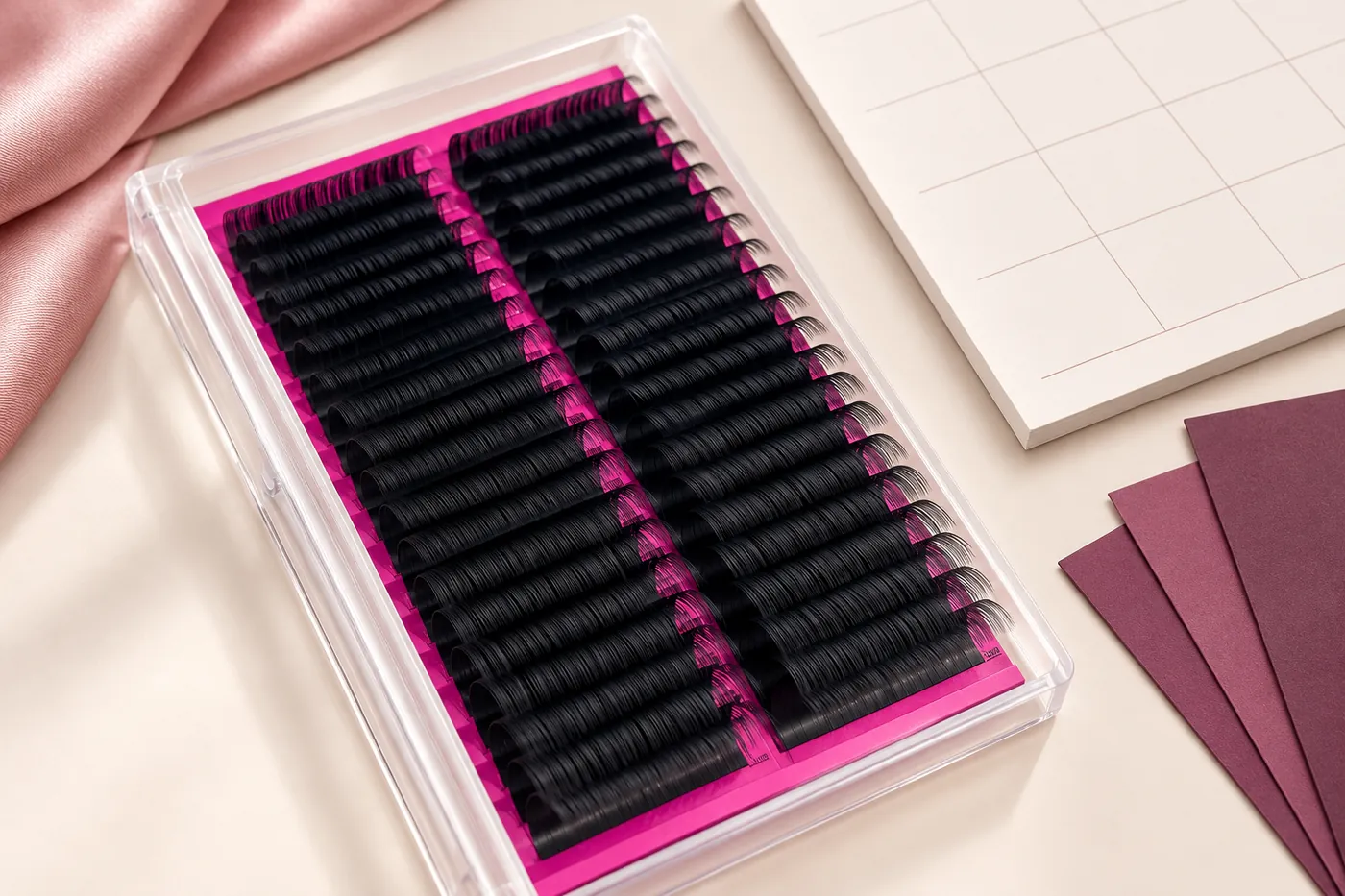
Separate the Dates in Your Brief
State your preferred receiving date, any event date and the point at which current stock may run low. Include the delivery destination.
These details help us understand the business priority without confusing dispatch with arrival.
Freeze the Professional Lash Specification
For a professional tray such as product 5705, record the selected construction, curl, diameter, lengths and pack. Its listed length options are not a continuous sequence.
Use the exact accepted version for the restock request. A last-minute specification change needs a fresh availability and timing discussion.
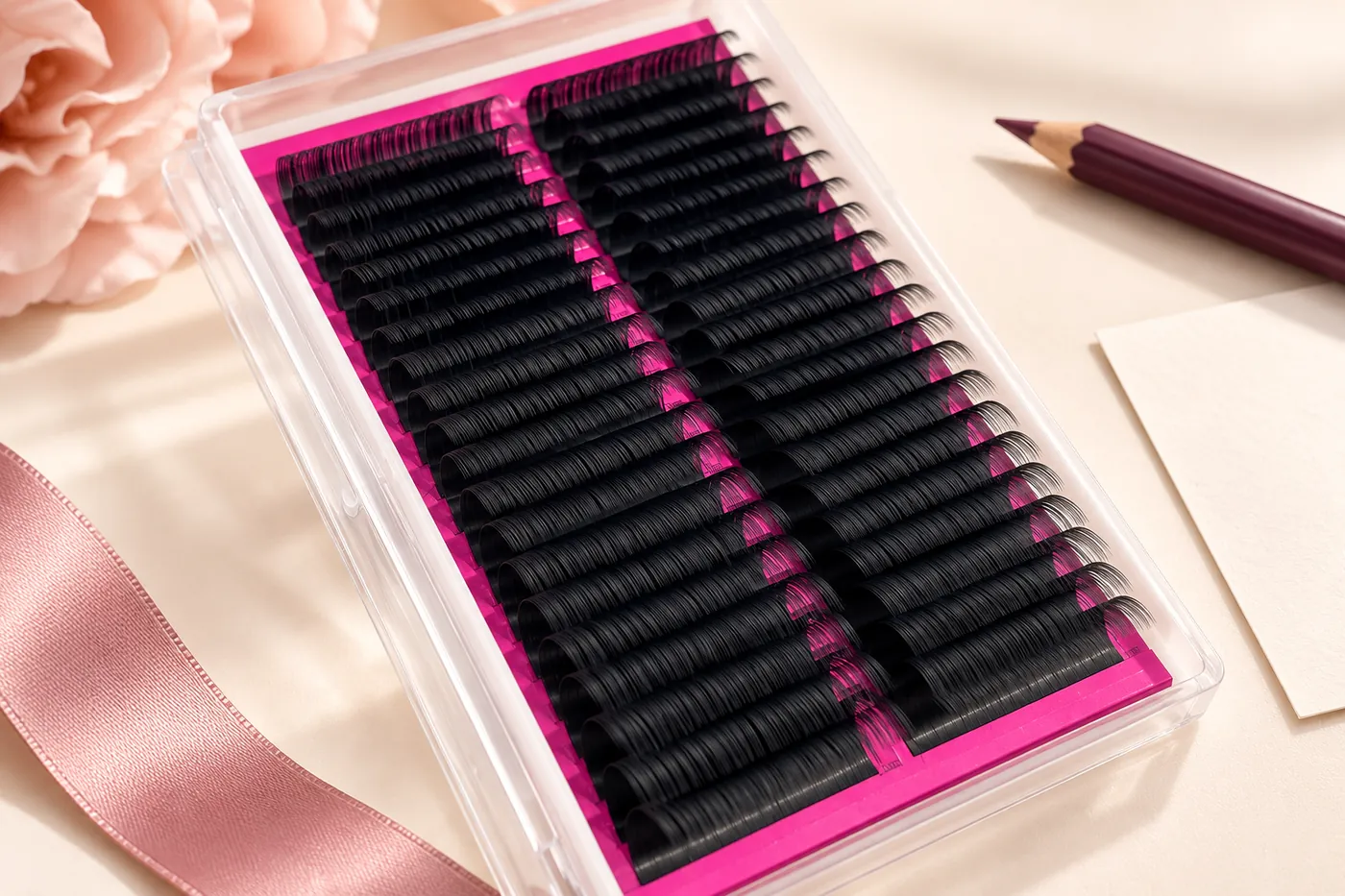
Build the Schedule Back from Receipt
The order may involve product selection, sample review, artwork approval, preparation, dispatch and transit. Confirm which stages apply to your selected order.
We can review the sequence with you. Do not replace those separate stages with a single catalogue delivery-time statement.
Keep DIY Cluster Reorders Distinct
Product 5711 provides a three-row DIY cluster reference. Define the selected cluster style, curl, lengths and tray quantities separately from professional continuous-row trays.
A mixed replenishment list should retain both product identities. Similar pink packaging does not make the contents interchangeable.

Rank the Lines by Business Priority
Mark the products that are essential for the immediate need and those that can be discussed as a later purchase. State quantities by accepted version.
If you are open to alternatives, identify the criteria your team must approve. We do not assume that a different curl, length or format can replace the original.
| Order group | Your input | Decision before change |
|---|---|---|
| Essential | Exact versions and required quantities | Accepted specification |
| Flexible | Explicitly allowed alternatives | Sample or documented approval |
| Later | Separate timing preference | Agreed follow-on scope |
Planning fields for your selected order.
Keep Packaging Work Visible
A repeat standard pack and a new branded carton have different preparation needs. Tell us whether artwork and packaging are already accepted.
We can discuss the remaining work before the schedule is agreed. An unfinished label should remain an open dependency in the order record.
Evaluate Any Split-Order Proposal
A split order may be worth discussing when your priorities differ by product. Confirm the actual availability, shipment scope and added costs before choosing it.
Separate each dispatch and receiving arrangement in the record. More shipments do not automatically solve an unresolved product or packaging decision.

Keep One Current Order Status Record
Track the accepted product list, open approvals and agreed next milestone in one place. Update the record when quantities, artwork or delivery arrangements change.
That gives us a shared basis for the next discussion and helps your team distinguish confirmed steps from planning targets.
Send a Date-Based Restock Brief
Send the receiving target, destination, exact product links and quantities. Mark essential lines, current accepted packaging and any alternatives you are willing to review.
We can use that brief to discuss the actual supply sequence and identify the timing decisions that remain open.
Discuss your replenishment plan