
DIY Cluster Lash Refill Supply for an Existing Retail Range
A refill should clearly identify the lash contents it replaces. We can review a repeat cluster-tray requirement against your accepted product reference, selected options and retail-pack description.
Keep the refill route distinct from a first-use kit. Your customer may already own supporting products, but that does not make every cluster tray compatible with their existing system or mean that bond, tools and remover are included.
Explore cluster lash references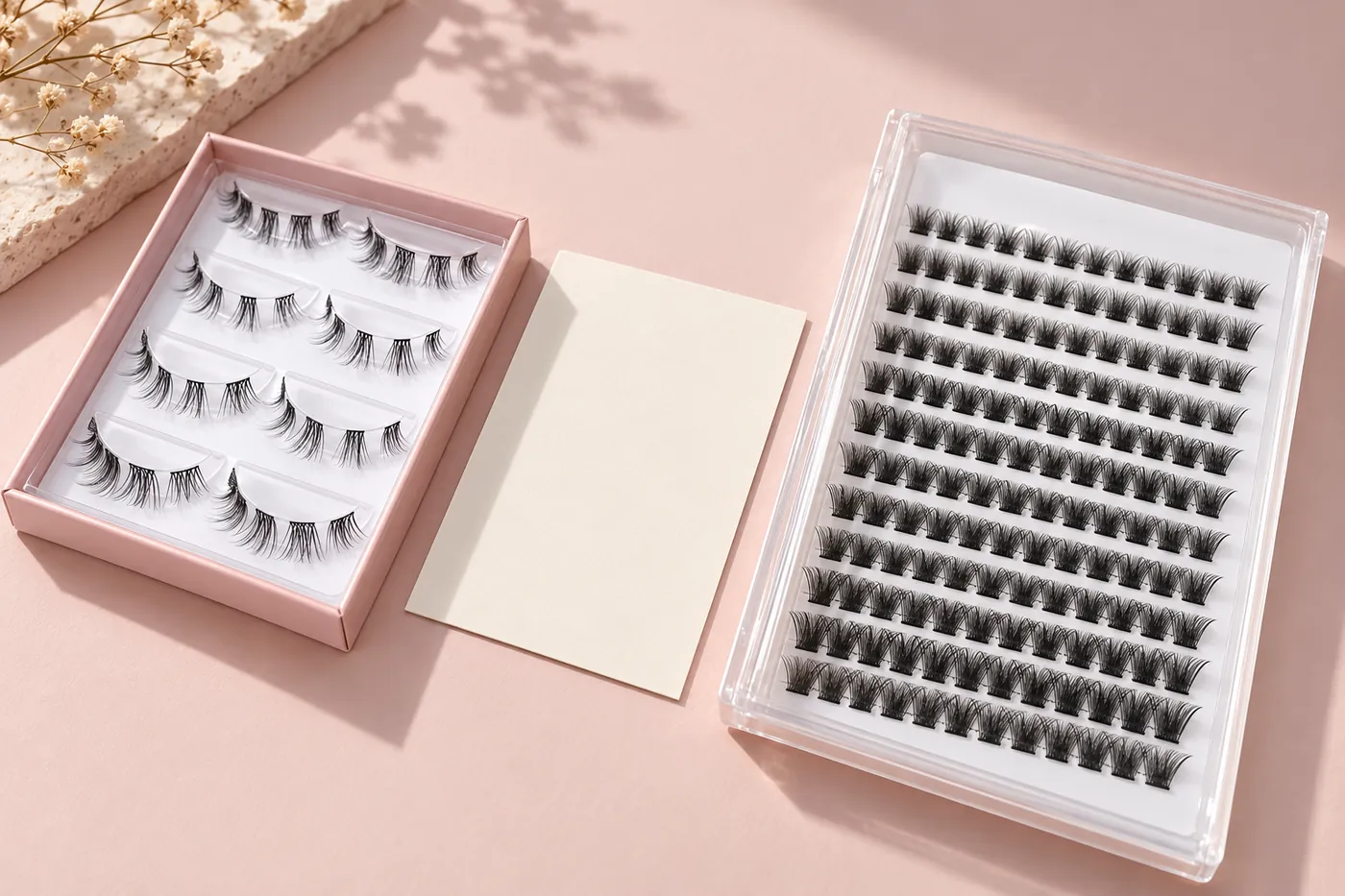
Link the Refill to an Accepted Product Identity
Create a refill code for each approved tray configuration and keep the original product link, photographs and option combination behind it. A similar pink case or a general wispy description is not enough to establish an equivalent refill.
If you want to move an existing range to a different tray, treat that as a comparison and approval task first. Keep the alternative reference separate until the differences have been reviewed.
Specify the Three-Row Tray Precisely
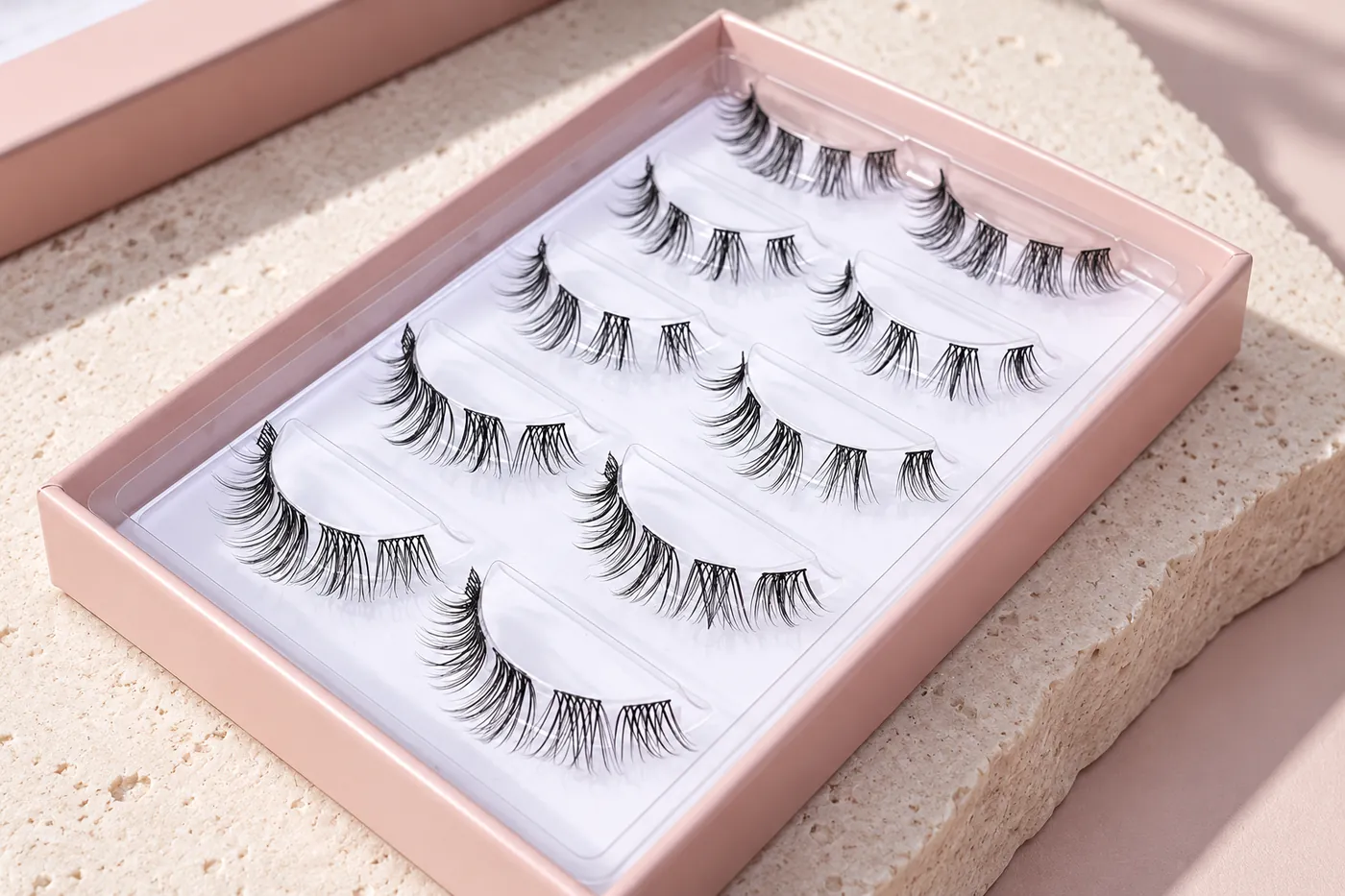
Our three-row cluster reference describes 0.07 mm PBT in C or D curl, 8–20 mm single lengths and an 8–14 mm mix. The selected single length and the mixed tray should remain separate stock lines.
For repeat supply, keep the accepted cluster pattern and row arrangement in the record as well as the nominal fiber fields. A different cluster base or segment layout can change the refill even when the length and curl labels remain the same.
State Exactly What the Refill Contains
A lash-only refill should be described as lash-only. If it includes an applicator or another component, identify that product and quantity explicitly rather than letting a photograph imply the contents.
Keep the same rule on the product page, pack and packing list. This makes a refill easier to compare with a starter kit without disguising a difference in what the customer receives.
Compare the Alternative Cluster Trays Independently
The 5707 reference describes 0.07 mm clusters with C or D curl and single or mixed lengths, with density effects named in the title. The 5693 reference describes a 30D-plus-40D format and includes both 8–14 and 8–16 mixed-length choices.
Density effects in a title are not always separate selectors. Identify the desired tray layout and accepted sample, then compare segment shape, base and count instead of assuming that any mixed tray is the same refill.
Use a Variant Matrix for Repeat Orders
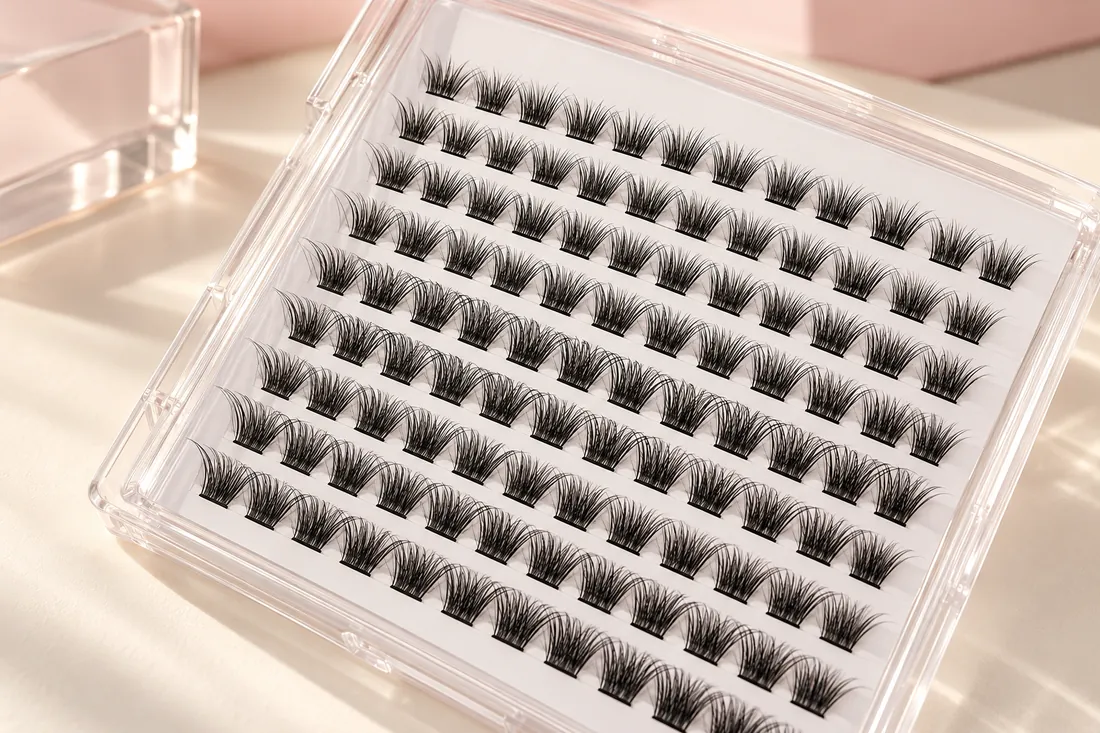
Track demand by the selected configuration rather than combining all curls and lengths into one total. That helps prevent a popular mixed tray from being replaced with a slow-moving single length.
An internal matrix can include the buyer code, linked reference, curl, length selection, retail unit and quantity. Add the accepted sample version when two products have similar names.
| Example refill line | Configuration | Count separately |
|---|---|---|
| C-MIX14 | Three-row reference · C · 8–14 mix | Tray quantity |
| D-12 | Same reference · D · 12 mm | Tray quantity |
| MIX16 | Separate 30D/40D reference · selected 8–16 mix | Its own tray and sample |
Illustrative stock-code structure; verify the actual selected reference and layout.
Keep the Replacement Pack Recognizable
A refill sleeve or card should identify the accepted tray contents without copying a starter-kit description. Check that it fits the tray and protects the cluster tips when closed.
The plain sleeve pictured is a packaging planning concept. Review dimensions, printed information and the product-to-pack relationship on an actual sample before approving the presentation.

Tie Compatibility Language to Evidence
If a refill is sold for use with a specific bonding product or existing kit, name that relationship in your internal brief and review the relevant samples and instructions together.
A shared brand, PBT description or tray colour does not prove universal compatibility. Keep any use or performance statements specific to the accepted product information rather than extending them to every cluster refill.
Calculate Refill Need by Variant
Planning example: a variant selling 30 trays weekly needs 180 trays for six weeks of chosen stock coverage. With 50 usable trays on hand and 40 confirmed inbound, the calculated gap is 90 trays.
Repeat the calculation for other variants and keep any trial quantity separate. The chosen coverage period is your inventory input, not a statement that production and shipping take six weeks.
Send the Refill Reference and Quantity Mix
Send the accepted product link, sample or clear photographs, selected curl and length arrangement, quantity per variant and the retail-pack requirement. Identify the starter range or bonding product when that relationship is part of your offer.
Use the lash-book guide for a new book-format assortment and the starter-kit guide for a multi-component first-use offer. Keep this repeat order centered on the refill your existing customers recognize.
Discuss your cluster refill order